

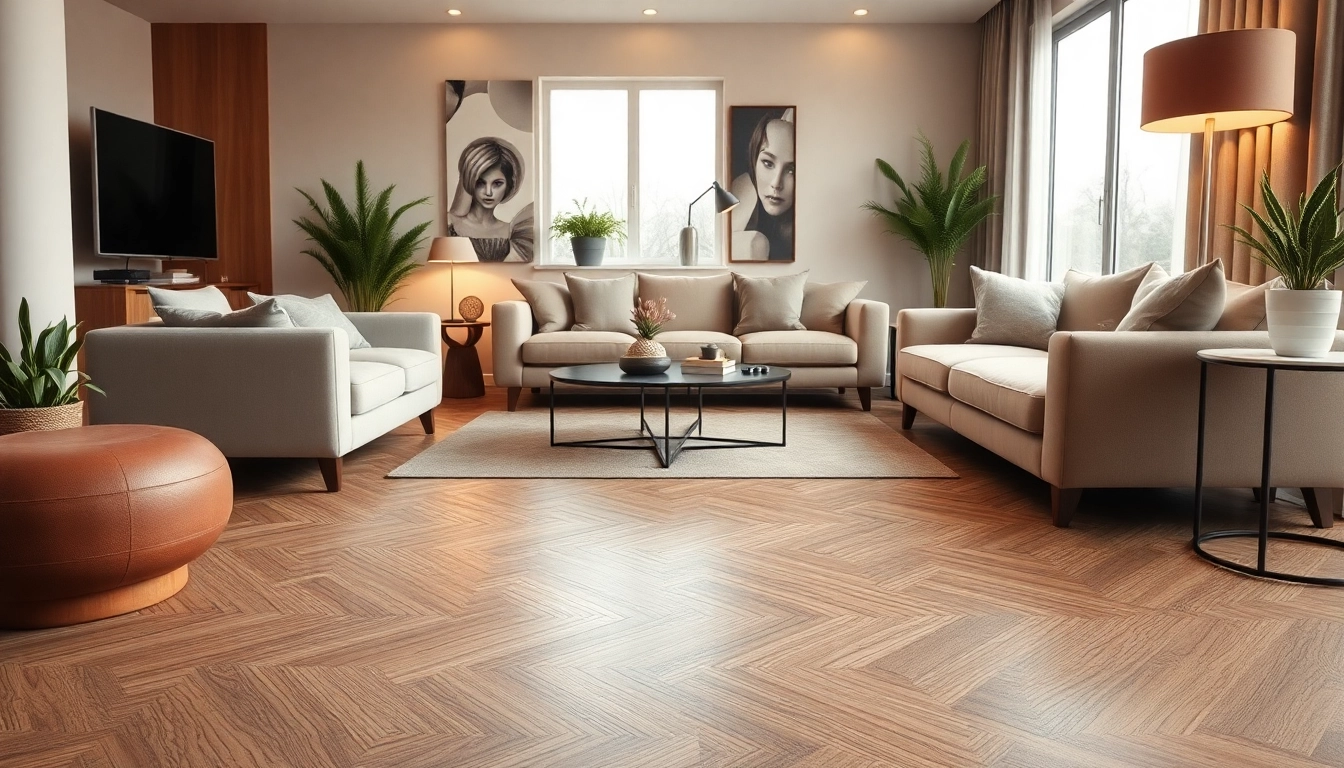
Understanding the Benefits of Flooring Near Me
When considering home renovations, the choice of flooring can significantly impact not only the aesthetic appeal but also the practicality and long-term sustainability of your living space. Searching for flooring near me can offer numerous local advantages that extend beyond mere proximity. From supporting local businesses to accessing tailored services, understanding these benefits is essential in making informed decisions.
Why Choose Local Flooring Options?
One of the most compelling reasons to select local flooring suppliers is the personalized customer service you receive. Local businesses understand the unique needs of their community, providing insights and recommendations that align with local styles and preferences. Additionally, they can offer the latest trends in materials and designs, often reflecting regional tastes.
Moreover, sourcing flooring locally minimizes transportation costs and environmental impact, as less distance means a smaller carbon footprint. Supporting local businesses also contributes positively to your community’s economy, fostering growth and sustainability.
Quality and Selection: What to Expect
When exploring flooring options nearby, customers can expect a variety of quality selections. Local retailers often carry a curated collection of flooring types suited for diverse residential and commercial needs, ensuring that the product you choose meets high standards. From eco-friendly materials to high-performance options, the range available allows homeowners to find the perfect match for their requirements.
Quality is often a focus of local suppliers who aim to build their reputation through positive customer experiences. By researching local companies, you can often uncover insightful reviews and feedback from previous customers that guide you toward the best options available.
How Local Trends Shape Your Choices
Trends can vary significantly based on location, influenced by cultural aesthetics, climate, and lifestyle preferences. Exploring flooring near me allows you to connect with these trends directly. For example, urban areas may favor modern, sleek designs, while rural regions might lean towards rustic, natural materials.
Local suppliers are in tune with these nuances, often displaying products that resonate with current tastes and functional demands. Consider visiting showrooms or attending local design events to see firsthand what flooring options are gaining popularity in your area.
Types of Flooring Available Near Me
Exploring the types of flooring options available near you is vital to ensuring that your selection meets both aesthetic desires and functional needs. Here’s a deep dive into the diverse offerings.
Exploring Luxury Vinyl Flooring
Luxury vinyl flooring (LVF) has surged in popularity due to its versatility, durability, and realistic appearance. Available in planks and tiles that mimic the look of wood, stone, or tile, it combines practicality with style. Its resistance to moisture makes it ideal for kitchens, bathrooms, and basements, where other flooring types might falter.
Local retailers often provide extensive collections of luxury vinyl options, allowing you to view samples in person. This tactile experience can help you better visualize how a particular style will complement your home.
Options Beyond Vinyl: Hardwood, Laminate, and More
In addition to luxury vinyl, there are numerous other flooring options to consider:
- Hardwood: Timeless and elegant, hardwood flooring is known for its natural beauty and longevity. Well-maintained hardwood can last for decades, offering both value and aesthetic appeal.
- Laminate: A budget-friendly alternative to hardwood or tile, laminate flooring is durable and can easily mimic various high-end materials. It’s suitable for heavy traffic areas, offering resilience and ease of maintenance.
- Tile: Often seen in kitchens and bathrooms, tiles provide excellent water resistance and come in vast designs, from classic ceramics to modern porcelain.
Choosing Based on Room Requirements
Your flooring choice should reflect the specific needs of each room in your home. For instance:
- Kitchens: Flooring here needs to be water-resistant and durable. Consider luxury vinyl or tile for their easy maintenance and resilience.
- Bathrooms: Again, moisture resistance is key. Tiles are highly favored for their water durability and variety of designs.
- Living Areas: Comfort and style are crucial. Hardwood or laminate can provide warmth and aesthetic appeal.
Installation Considerations for Flooring Near Me
Once you’ve selected your flooring, the next step is installation—a potentially daunting task that can significantly affect the final outcome. Understanding your options will help streamline this process.
DIY Versus Professional Installations
Choosing between DIY installation and hiring a professional can depend on multiple factors, including budget, skill level, and time availability. DIY can save on labor costs but requires a certain level of expertise to avoid mistakes. Conversely, professional installers offer experience and may provide warranties, ensuring peace of mind.
For complex projects involving intricate patterns or unique materials, hiring a professional is often the best route. However, simpler installations, such as luxury vinyl planks with a click-lock design, can be ideal for DIY enthusiasts.
Preparing Your Home for New Flooring
Preparation is essential for a successful flooring installation. Begin by removing existing flooring and any furniture from the area. It’s vital to ensure that the subfloor is clean, dry, and smooth to allow for proper installation. Depending on the type of flooring chosen, you may also need to acclimate the new materials to your home’s temperature and humidity.
Understanding Costs and Timeframes
The cost of flooring installation can vary widely based on the type of flooring selected and the complexity of the installation process. Luxury vinyl, for instance, is often more affordable compared to solid hardwood. Don’t forget to factor in additional expenses, such as underlayment, tools, and any necessary repairs to the subfloor.
Regarding timeframes, a DIY project might take several days, while a professional installation might complete the job in a matter of hours to a couple of days, depending on the size of the space. Accurate assessments and planning are critical to ensure effectiveness and efficiency.
Maintenance Tips for Long-lasting Flooring
Once your flooring is installed, proper maintenance is vital to ensure its longevity and appearance. Different flooring types require unique care routines, but some general tips can help you keep your floors pristine.
Daily Care Guidelines
Regular sweeping or vacuuming is crucial to prevent dirt and debris from accumulating and scratching the surface. Implementing mats at entry points can help trap dirt before it reaches your floors. Additionally, promptly cleaning spills can prevent stains, particularly on materials like hardwood and carpet.
Seasonal Maintenance Routines
Seasonal changes can affect flooring integrity. In colder months, consider using area rugs to provide an extra layer of warmth and protect against scratching from grit. Conversely, check for humidity levels and moisture issues in warmer months, especially for hardwood flooring, which can warp without proper care.
Common Mistakes to Avoid
Several common mistakes can lead to premature wear and tear on your flooring:
- Using incorrect cleaning products—always opt for pH-balanced or manufacturer-recommended solutions.
- Neglecting the need for protective pads under furniture, which can cause indentations.
- Not resealing hardwood floors can lead to water damage and a dull appearance.
Frequently Asked Questions About Flooring Near Me
What is luxury vinyl flooring?
Luxury vinyl flooring is a high-quality, durable type of flooring that mimics the look of natural materials like wood or stone while offering water resistance and ease of maintenance.
How long does flooring last?
The lifespan of flooring varies by material. Hardwood can last 30 years or more, while luxury vinyl typically lasts 10-25 years, depending on quality and maintenance.
Can I install flooring myself?
DIY installation is possible, particularly for simpler materials like luxury vinyl. However, complex installations may require a professional to ensure quality and longevity.
What maintenance do I need?
Regular cleaning, prompt damage repair, and seasonal care are essential for maintaining flooring quality. Specific materials may require unique care, so check the manufacturer’s recommendations.
Are there eco-friendly flooring options?
Yes, eco-friendly flooring options include bamboo, cork, and sustainably sourced hardwood. These materials minimize environmental impact while providing durability and style.