
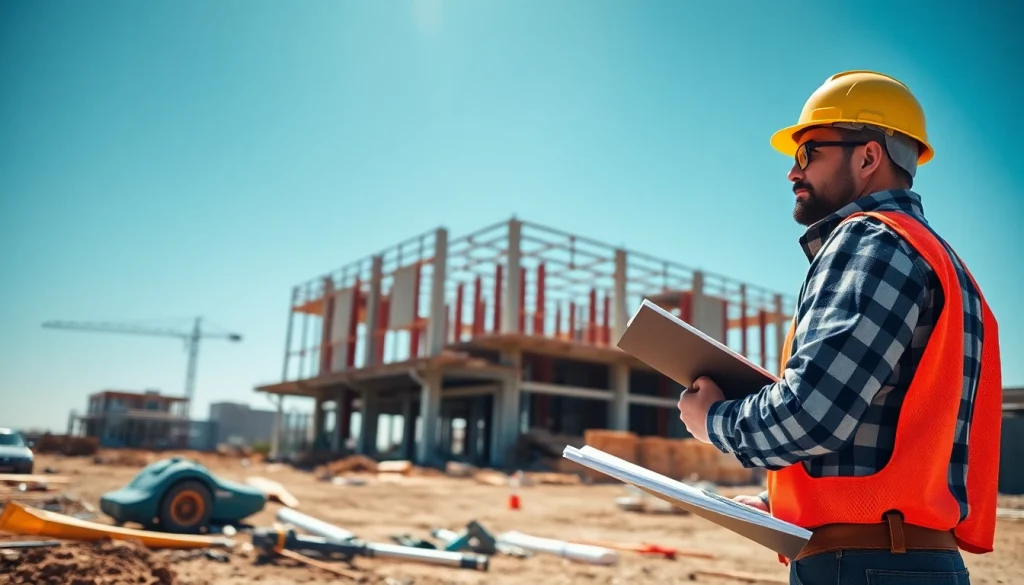

Understanding the Responsibilities of a New Jersey General Contractor
Key Roles and Functions
A New Jersey General Contractor serves as a critical figure in the construction industry, orchestration various project aspects from inception to completion. This professional is responsible for overseeing building projects, ranging from residential properties to commercial facilities. A general contractor’s primary function includes estimating costs, securing permits, hiring subcontractors, and ensuring compliance with state and local codes. Moreover, they are accountable for the project timeline, budget adherence, and quality of work. The effectiveness of a contractor can significantly impact the overall success and satisfaction of their clients. For a deeper insight into how these responsibilities unfold, read more about what a New Jersey General Contractor encompasses.
Regulatory Requirements and Compliance
In New Jersey, general contractors must navigate a complex landscape of regulations and building codes. They are required to obtain a contractor’s license, which involves proving sufficient experience and passing relevant examinations. Compliance with safety regulations, labor laws, and construction standards is crucial. Regular inspections and adherence to zoning laws are also part of their responsibilities. Staying informed about changes in local ordinances and building codes is essential for avoiding penalties that can arise from non-compliance.
Managing Client Relationships
Building robust relationships with clients is vital for any New Jersey General Contractor. Effective communication is the cornerstone of client satisfaction, where contractors must routinely update clients on project progress and address any concerns promptly. Transparency about budgeting, timelines, and potential obstacles fosters trust and ensures a smoother working relationship. Utilizing client management tools can help contractors maintain clear channels of communication and manage expectations efficiently.
Challenges Faced by New Jersey General Contractors
Adapting to Market Trends
The construction market in New Jersey is dynamic, driven by economic fluctuations, changing regulations, and evolving client preferences. General contractors must stay ahead by researching trends about materials, designs, and technologies. For instance, the increase in sustainable building practices has necessitated a shift in how contractors plan and execute their projects. Adapting to these trends not only improves a contractor’s competitiveness but also enhances market relevance.
Dealing with Labor Shortages
A significant challenge facing New Jersey General Contractors is the ongoing labor shortage in the construction industry. Factors like an aging workforce and insufficient new entrants into the field exacerbate this problem. Contractors must innovate recruiting strategies, including establishing relationships with trade schools and providing apprenticeships, to build a reliable talent pipeline. Offering competitive salaries and benefits can also attract skilled labor to combat these shortages.
Regulatory Hurdles
Navigating regulatory hurdles can be daunting for general contractors in New Jersey. Frequent changes in legislation regarding worker safety, environmental concerns, and licensing can complicate project timelines. Contractors must maintain a proactive approach by regularly attending training sessions and workshops to stay updated on regulatory changes. This foresight can play a crucial role in ensuring projects are compliant, thereby minimizing interruptions and potential legal issues.
Best Practices for Successful Project Management
Effective Communication Strategies
Effective communication is fundamental in managing construction projects successfully. General contractors should implement comprehensive communication plans that outline how information flows among project stakeholders, including subcontractors, suppliers, and clients. Regular meetings, updates, and progress reports can mitigate misunderstandings and ensure everyone is on the same page. Utilizing project management software can enhance collaboration and documentation of all communication.
Time and Budget Management Techniques
Meticulous time and budget management are essential for completing construction projects on time and within financial constraints. Contractors can utilize various tools and methodologies, such as Gantt charts for scheduling or Agile management techniques, which allow flexibility in project execution. It’s imperative to establish a realistic budget that includes contingencies for unexpected expenses, as this ensures that financial allocations are adhered to throughout the project.
Utilizing Technology and Innovations
Embracing technology can give New Jersey General Contractors a competitive edge. Innovations such as Building Information Modeling (BIM), 3D printing, drones for site surveying, and mobile apps for real-time project management can streamline processes and improve accuracy. By integrating these technologies, contractors can enhance efficiency, reduce waste, and improve project outcomes, ultimately creating a safer and more organized construction environment.
Evaluating the Performance of a New Jersey General Contractor
Key Metrics to Monitor
Evaluating the performance of a New Jersey General Contractor involves monitoring several key metrics. These include project completion times, budget adherence, quality of work, and safety incident rates. By analyzing these metrics, contractors can gain insights into their operational efficiency and identify areas for improvement. Regular performance reviews can foster accountability and encourage a culture of continuous enhancement within the team.
Client Feedback and Satisfaction
Client feedback is invaluable in assessing the performance of a general contractor. Surveys, interviews, and informal discussions post-project can provide critical insights into the client experience. High levels of client satisfaction correlate directly with repeat business and referrals, which are crucial for growth in the construction industry. Contractors must be open to constructive criticism and actively seek feedback to refine their services further.
Continuous Improvement Processes
Establishing a culture of continuous improvement is essential for long-term success. General contractors should adopt frameworks such as Lean Construction or Six Sigma to optimize processes, reduce waste, and ensure higher quality outputs. Additionally, investing in regular training for staff and ongoing professional development can further enhance the capabilities of the contractor, improving overall project outcomes.
Frequently Asked Questions About New Jersey General Contractors
What qualifications does a New Jersey General Contractor need?
A New Jersey General Contractor needs a state-issued license, experience in construction, and knowledge of building codes. Certain projects may require specific certifications.
How do I choose the right General Contractor in New Jersey?
Choose the right contractor by checking licenses, reviewing past projects, obtaining client references, and ensuring they have insurance. Communication is also vital.
What are common project types for New Jersey General Contractors?
Common projects include residential renovations, commercial builds, industrial facilities, and public works projects. They manage various aspects like planning and execution.
How does a General Contractor manage subcontractors?
A General Contractor manages subcontractors by assigning specific roles, overseeing their work, ensuring compliance with standards, and facilitating communication among teams.
What should I expect in terms of project timelines?
Project timelines vary based on complexity but typically include phases for planning, permitting, construction, and final inspections. Regular updates ensure transparency.