

Understanding Bed Bugs: The Basics
Bed bugs are a pervasive problem, especially in urban areas like Milwaukee, where their populations can thrive among the many residents and visitors in hotels, apartments, and homes. These small, nocturnal pests can disrupt peaceful nights and lead to significant psychological distress and health concerns. To tackle a bed bug infestation effectively, it is crucial to understand their biology, behavior, and the signs that indicate their presence. Utilizing knowledgeable bed bug exterminators can ensure a comprehensive approach to eradicating these pests.
What Are Bed Bugs and How Do They Behave?
Bed bugs, scientifically known as Cimex lectularius, are small, reddish-brown insects that feed on the blood of humans and animals. Adult bed bugs are about the size of an apple seed, with a flat body that allows them to hide easily in various locations. They are primarily nocturnal and come out to feed at night when their hosts are asleep. Understanding their behavior is key to effective treatment; bed bugs typically reside within eight feet of where people sleep, hiding in seams of mattresses, box springs, bed frames, and other dark, secluded areas during the day.
Common Signs of a Bed Bug Infestation
Identifying a bed bug infestation early can save time, money, and stress. Look for these common signs:
- Itchy welts or bites on the skin, often in a line or cluster.
- Dark spots on bedding or mattresses, which are bed bug excrement.
- Small bloodstains on sheets from crushed bugs.
- Presence of empty bed bug shells and molted skins.
How Bed Bugs Travel and Spread
Bed bugs are notorious for their ability to hitchhike on clothing, luggage, used furniture, and other items. They can easily spread from one location to another, making them a common problem in hotels and multi-unit residences. A single bed bug can travel approximately 100 feet in one night in search of a meal, which means that even those who maintain high hygiene standards are vulnerable to their intrusion.
Top Bed Bug Extermination Methods
To effectively eliminate bed bugs, it is essential to employ a combination of treatment methods tailored to the specific situation. With the right strategies in place, a thorough extermination can restore comfort and peace of mind.
Effective Heat Treatment Techniques
Heat treatment is one of the most effective methods for eradicating bed bugs. This method involves raising the temperature in the infested area to a level that is lethal to bed bugs and their eggs. Typically, temperatures above 120°F (49°C) are required to ensure that bed bugs are eliminated at all life stages. Heat treatment has the added benefit of being eco-friendly, as it does not require the use of harmful chemicals, making it an optimal choice for homes with children and pets.
Chemical Treatments: Pros and Cons
Chemical treatments remain a popular choice in bed bug extermination. Professional pest control services utilize a variety of residual insecticides that can provide long-lasting protection against reinfestation. While chemicals can be effective, they generally require thorough preparation by the homeowner and the skilled application by professionals. The main drawback is the potential risks associated with pesticide use, which can raise health and safety concerns.
Integrated Pest Management Strategies
Integrated pest management (IPM) combines various strategies for effective pest control, emphasizing prevention and education. This approach considers factors such as the environment, life cycle of the pests, and the specific context of the infestation. It typically includes inspection, identification, and monitoring, along with chemical or heat treatments when necessary. This holistic approach ensures that the issue is not only resolved but also mitigates future occurrences.
Choosing Professional Bed Bug Exterminators
When dealing with a bed bug infestation, hiring experienced professionals is essential for effective treatment. Not all exterminators are equal, and knowing what to look for can make a considerable difference in the outcome.
What to Look for in a Pest Control Service
When selecting a pest control service, ensure that they are licensed and insured. Research their reputation by looking for online reviews and testimonials, focusing on their experience specifically with bed bugs. Consider companies that offer comprehensive treatments, including both chemical and heat options, to ensure thorough eradication.
How to Evaluate Exterminator Experience and Reviews
Check for certifications, such as those from the National Pest Management Association (NPMA) or other recognized entities. Reading through customer feedback can provide insight into the effectiveness of their services. Focus on reviews that mention follow-up care, as this is often a telltale sign of a company committed to customer satisfaction.
Questions to Ask before Hiring an Exterminator
Before making a decision, ask potential exterminators the following questions:
- What specific methods do you use for bed bug extermination?
- How long will the treatment plan take, and what can I expect during that time?
- Do you offer any guarantees or follow-up treatments?
- What precautions should I take before and after treatment?
Preparing Your Home for Bed Bug Treatment
Preparation is crucial for the success of any bed bug treatment. Ensuring your home is ready can significantly enhance the effectiveness of the extermination process.
Pre-Treatment Steps for Homeowners
Before treatment begins, homeowners should declutter the infested area, wash all bedding and clothing in hot water, and vacuum thoroughly. Consider sealing items in plastic bags to prevent any possible escape routes for bed bugs during treatments. Additionally, communicate with your exterminator to get a clear understanding of what needs to be done on your part to facilitate a successful extermination.
What to Expect During an Inspection
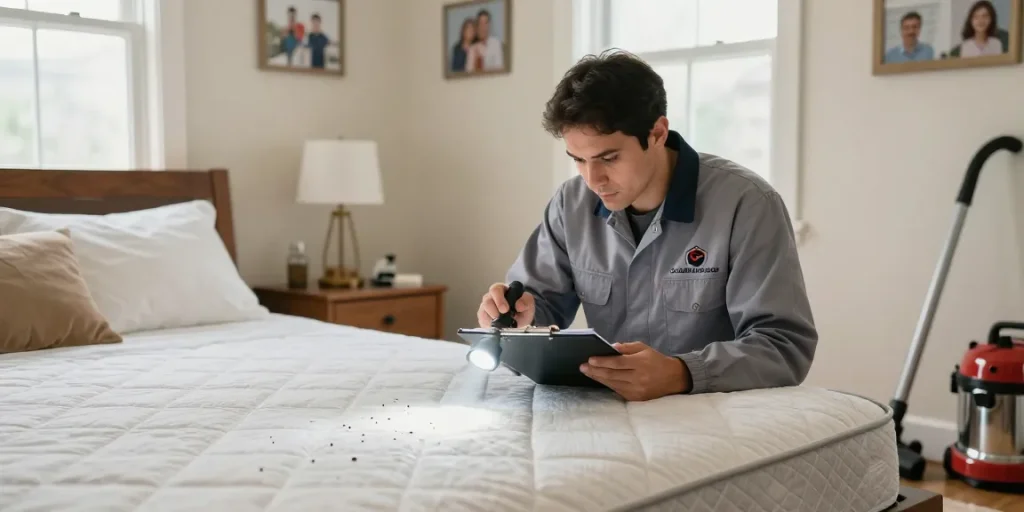
During the inspection, the exterminator will examine the home for signs of a bed bug infestation. This includes checking common hiding spots such as mattresses, headboards, furniture, and even behind drywall. A thorough inspection is crucial, as it determines the extent of the infestation and helps develop a tailored treatment plan.
Post-Treatment Care and Maintenance
After treatment, it is vital to follow any post-treatment instructions provided by your exterminator. This may include refraining from vacuuming for a specific period, inspecting your home regularly for any signs of re-infestation, and being vigilant about where you place your belongings to avoid bringing in bed bugs again.
Future Trends in Bed Bug Extermination
The pest control industry is evolving, with new technologies and methods emerging to confront pest challenges more effectively. Understanding these trends can provide insights into the future of bed bug management.
Advancements in Pest Control Technology
Technological advancements are leading to the development of innovative treatments that are more effective and environmentally friendly. For instance, the use of thermal imaging technology allows exterminators to locate bed bugs hidden in difficult-to-reach areas. Enhanced monitoring tools, such as bed bug detection devices, can help homeowners identify infestations earlier and facilitate timely intervention.
Eco-Friendly Treatment Options for 2026
As awareness about environmental impact grows, eco-friendly treatment options are becoming more prevalent. Integrated pest management strategies that focus on sustainability and reduced chemical use are gaining traction. Many companies are now exploring organic pesticides and heat treatments that minimize harm to the environment while effectively eliminating pests.
Rising Awareness and Preventative Measures
With more information available about bed bugs and their effects, the public is becoming increasingly aware of preventive measures. Education on recognizing bed bug signs, understanding their behaviors, and employing proactive strategies is integral to reducing infestations. Efforts to promote dialogue among landlords, tenants, and public health officials contribute further to community-wide awareness and prevention.
Are bed bug exterminators worth the investment?
Investing in professional bed bug extermination services is often justified, especially considering the long-term distress and potential health risks associated with infestations. The initial costs are typically outweighed by the peace of mind provided and the prevention of further infestations.
What is the most effective method to kill bed bugs?
Heat treatment is widely considered to be the most effective method for killing bed bugs and their eggs. However, the most successful extermination often involves a combination of methods tailored to the specific needs and circumstances of the infestation.
How long does bed bug treatment typically take?
The total time for an effective bed bug treatment can vary depending on the severity of the infestation and the methods used. Generally, homeowners can expect the process to take anywhere from several hours to a few days, with follow-up treatments often recommended within a few weeks to ensure complete eradication.
What can I do to prevent bed bugs from returning?
To prevent bed bugs from returning, maintain diligent cleaning habits, quickly address any signs of infestation, and consider using mattress encasements. Additionally, be cautious when traveling or bringing second-hand items into your home, and always inspect luggage and belongings carefully.
How much do bed bug extermination services cost?
Bed bug extermination costs can vary widely based on the methods employed, the size of the infested area, and the extent of the infestation. On average, total costs for treatment can range from a few hundred to several thousand dollars, depending on the level of service and treatments provided.